
Introduction
The global e-commerce landscape is shifting rapidly, and savvy entrepreneurs know that the biggest growth opportunities often lie outside saturated Western markets. While established economies offer stability, emerging markets present explosive potential—with rising middle classes, increasing smartphone penetration, and governments actively investing in digital infrastructure.
For businesses ready to scale internationally in 2026, identifying the right market can mean the difference between modest gains and transformational growth. We've analyzed the data, consulted regional experts, and evaluated entry barriers to bring you the five most promising emerging ecommerce markets this year.
1. Indonesia: Southeast Asia's E-commerce Giant
With 280 million people and the largest digital economy in Southeast Asia, Indonesia has become impossible to ignore. The country's e-commerce market is projected to reach $95 billion by 2026, driven by a young, tech-savvy population where over 70% are under 40.
What makes Indonesia particularly attractive is the convergence of favorable factors: rapidly expanding 4G/5G coverage reaching rural areas, a thriving social commerce ecosystem, and strong government support through the "Making Indonesia 4.0" initiative. Platforms like Tokopedia, Shopee, and Bukalapak have normalized online shopping, creating infrastructure that foreign brands can leverage.
Entry considerations: Success requires localization beyond translation. Indonesian consumers respond to community-driven marketing and expect flexible payment options—cash on delivery still accounts for significant transactions. Partnering with local logistics providers is essential given the archipelago's geographic complexity spanning 17,000 islands.
- Massive population with growing purchasing power
- High mobile commerce adoption (85% of transactions)
- Established marketplace infrastructure
- Complex logistics across island geography
- Regulatory requirements for foreign sellers
- Price-sensitive consumers expect discounts
2. Mexico: The Americas' Rising Star
Mexico represents the gateway to Latin America's most promising e-commerce opportunity. With a $72 billion projected market size in 2026 and year-over-year growth exceeding 20%, Mexico offers North American businesses a geographically convenient expansion path with significant upside.
The pandemic permanently shifted Mexican consumer behavior online, and that momentum continues. Internet penetration has climbed to 78%, while digital payment adoption has accelerated through platforms like Mercado Pago and government initiatives promoting financial inclusion. The USMCA trade agreement further simplifies cross-border commerce for U.S. and Canadian sellers.
Entry considerations: Mexican consumers are increasingly sophisticated but remain value-conscious. Building trust is paramount—offering clear return policies, Spanish-language customer service, and recognizable payment methods (including installment plans through "meses sin intereses") significantly impacts conversion rates. Nearshoring trends have also improved logistics infrastructure, making fulfillment more reliable than ever.
3. Saudi Arabia: The Gulf's Digital Transformation
Saudi Arabia's Vision 2030 initiative has catalyzed one of the world's most ambitious digital transformations, and e-commerce sits at its center. The kingdom's online retail market is expected to surpass $25 billion in 2026, with growth rates among the highest globally at 15-18% annually.
What distinguishes Saudi Arabia is purchasing power. With one of the highest GDP per capita figures in the emerging market category and a young population eager for international brands, average order values significantly exceed other emerging markets. The government has actively reduced barriers to foreign investment while simultaneously building world-class logistics infrastructure.
Entry considerations: Cultural sensitivity and localization are non-negotiable. Arabic-language content, compliance with local advertising standards, and understanding seasonal purchasing patterns (particularly around Ramadan and Saudi National Day) are essential. Payment preferences lean heavily toward credit cards and digital wallets like STC Pay, with cash on delivery declining rapidly.
Saudi Arabia isn't just adopting e-commerce—it's leapfrogging traditional retail entirely. Brands entering now are positioning themselves for decades of growth.
4. Poland: Central Europe's E-commerce Hub
Often overlooked in favor of Western European markets, Poland has quietly become Central Europe's e-commerce powerhouse. With $32 billion in projected 2026 sales and the EU's sixth-largest population, Poland offers the rare combination of emerging market growth rates with developed market infrastructure and regulatory clarity.
Poland's e-commerce penetration has surged past 85% of internet users, driven by excellent logistics networks, high smartphone adoption, and a well-educated, digitally literate consumer base. The country serves as a natural hub for expansion into neighboring Czech Republic, Slovakia, and Baltic markets.
Entry considerations: EU membership means compliance with GDPR and consumer protection regulations, but it also provides frictionless access to 450 million EU consumers. Polish shoppers are discerning and research-driven—product reviews and detailed specifications significantly influence purchase decisions. Local payment methods like BLIK and Przelewy24 dominate, so payment gateway selection matters.
- EU regulatory framework and market access
- Excellent logistics infrastructure
- High digital literacy and purchasing power
- Competitive landscape with established local players
- Language localization essential (limited English)
- GDPR compliance requirements
5. Vietnam: The Fast Mover
Vietnam's e-commerce trajectory is nothing short of remarkable. Growing at 25-30% annually, the market is projected to reach $23 billion by 2026, making it Southeast Asia's fastest-growing digital economy. A population of 100 million, median age of 31, and smartphone penetration exceeding 70% create ideal conditions for digital commerce.
The Vietnamese consumer is increasingly brand-conscious but pragmatic, seeking quality products at competitive prices. Social commerce thrives here—platforms like TikTok Shop and Facebook Marketplace generate substantial transaction volumes, often outperforming traditional e-commerce channels for certain categories.
Entry considerations: Vietnam rewards early movers, but success requires understanding its unique market dynamics. Logistics have improved dramatically but remain challenging outside major cities. Local partnerships are valuable for navigating regulatory requirements and consumer preferences. The market responds particularly well to live-stream selling and influencer marketing—strategies that should be central to any market entry plan.
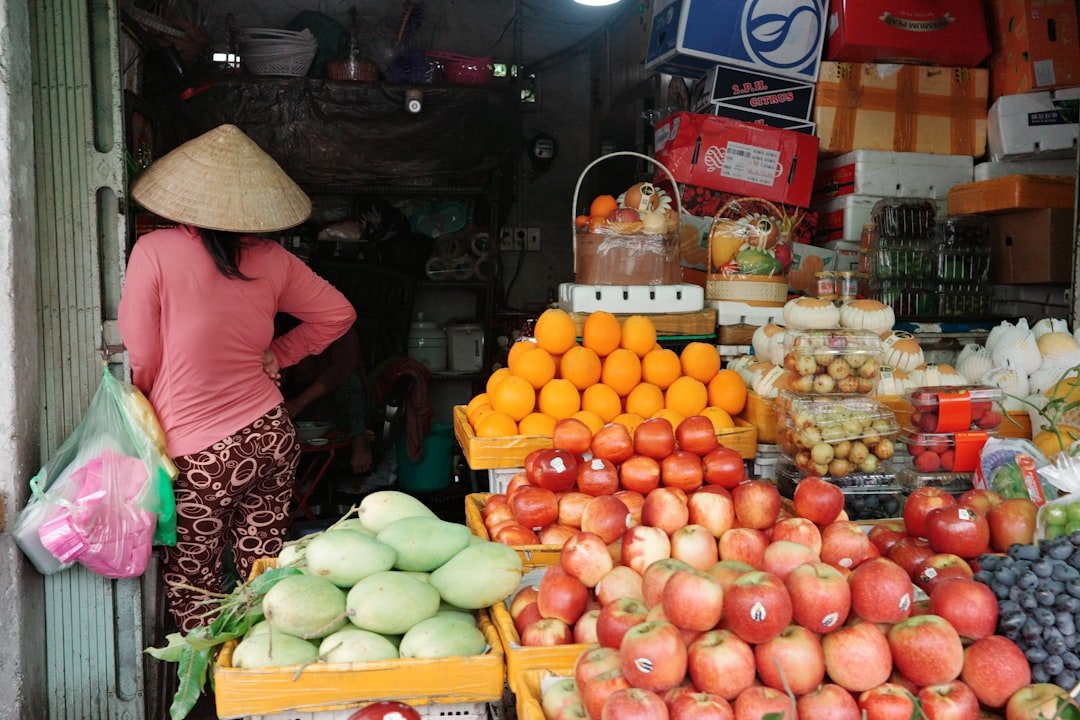
Photo by Van Tien Le on Unsplash
Bonus: Key Factors for Market Selection
While these five markets offer compelling opportunities, successful international expansion requires matching market potential with your specific business capabilities. Consider these critical factors before committing resources:
-
Does your product category show strong demand and growth in the target market?
-
Can you reliably fulfill orders at acceptable cost and delivery timeframes?
-
Do you understand import requirements, tax obligations, and consumer protection laws?
-
Can you accept the payment methods local consumers prefer and trust?
-
Do you have resources for language, cultural adaptation, and local customer support?
Conclusion
The emerging ecommerce markets of 2026 offer unprecedented opportunities for businesses willing to look beyond familiar territories. Indonesia and Vietnam provide access to Southeast Asia's digital-first consumers, Mexico opens Latin America's largest opportunity with geographic convenience, Saudi Arabia delivers premium purchasing power in a transforming economy, and Poland offers a stable gateway to European expansion.
Success in any of these markets requires more than identifying opportunity—it demands strategic preparation, cultural intelligence, and operational readiness. The businesses that thrive globally are those that invest in understanding local consumers as deeply as they know their home markets.
Ready to develop your international expansion strategy? Explore our comprehensive guide to international market entry for detailed frameworks on evaluating opportunities, building market entry plans, and scaling operations across borders.
Plan Your Global Expansion
Get our free market entry assessment template and start evaluating your international opportunities today.
Download the Template
Comments
No comments yet. Be the first to comment!
Leave a Comment